
← Blog · Leak Detection
What a slab leak is, the warning signs, how plumbers find leaks without tearing up your floor, and what repair usually involves.
A slab leak is a water or gas line leaking underneath the concrete slab your house sits on. You can't see it, and that's the problem: by the time most homeowners notice one, it has been running for weeks. Water finds the path of least resistance, and under a slab that path can mean a soaked foundation, buckled flooring, mold, or — with gas — a genuine safety hazard.
The most common tells are a water bill that jumps with no change in habits, the sound of running water when everything is off, warm spots on the floor (a hot-water line leak), damp carpet or flooring, low water pressure, and cracks appearing in flooring or walls. A quick self-test: turn off every fixture, then watch your water meter. If the dial still moves, water is going somewhere it shouldn't.
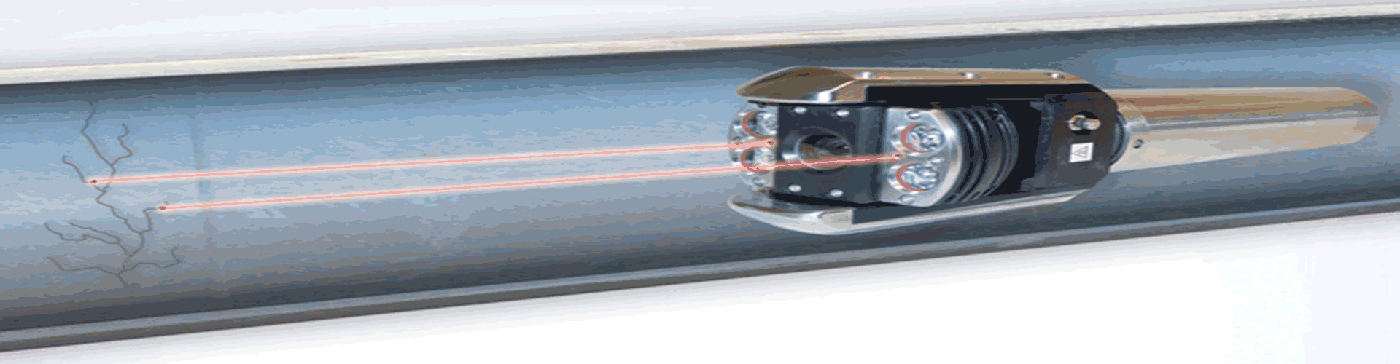
The old way to find a slab leak was to start breaking concrete and hope. The modern way is electronic: acoustic listening equipment that hears water escaping under pressure, line-tracing gear that maps exactly where your pipes run, and pressure testing that isolates which line is losing water. Ray May Plumbing has been locating leaks for more than four decades, and the equipment lets us mark the leak's position within inches — so if concrete does have to be opened, it's a small, targeted hole instead of a trench through your living room.
Depending on where the leak is and the condition of the line, the fix is usually one of three things: a spot repair at the leak, rerouting that section of line overhead through walls or attic, or — when a pipe has failed repeatedly — repiping the affected run. Which one makes sense is a judgment call based on pipe age, water chemistry, and how many leaks that line has already had. We'll tell you the honest trade-offs, not just the biggest ticket.
A slab leak gets more expensive by the hour, in two ways: the water you're paying for that goes straight into the ground, and the damage accumulating in the slab and framing. If you suspect one, shut off the main and call. We perform leak detection under slabs, on gas lines, on underground water lines, and line tracing throughout our service area.