
← Blog · Emergency
A plumber's checklist for the first ten minutes after a pipe bursts — including where your shut-off valves are and why every adult in the house should know.
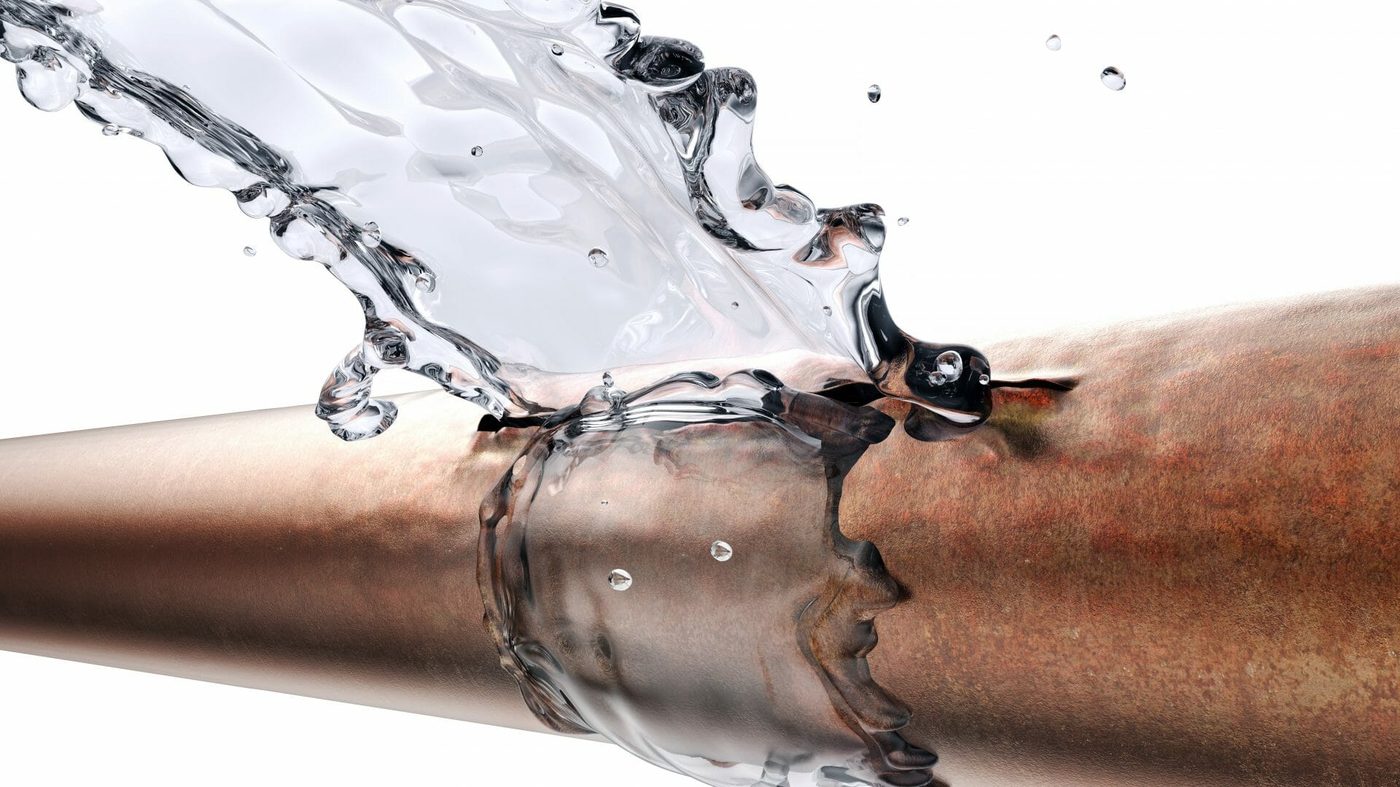
All of a sudden, your pipe has burst. Take a breather and keep yourself together — there is nothing worse than a rattled mind. Here's what actually matters in the first ten minutes.
Every house has a main shut-off valve — usually near where the water line enters the house, at the front hose bib, or at the meter by the street. Turn it clockwise until it stops. If you can't find it or it's stuck, call us and we'll walk you through it over the phone before we arrive. We do this constantly.
With the main off, your water heater can drain down and overheat. Turn a gas heater to "pilot"; flip the breaker for an electric one.
Open cold taps at the lowest point of the house to drain remaining pressure and route water into drains instead of your floors.
Towels, buckets, a wet vac if you have one. Get standing water off wood floors and away from drywall and baseboards fast — the first hour matters most for what your repair bill looks like.
A burst pipe repair itself is often straightforward for a professional. What turns it into a big job is the water that kept flowing while decisions were being made.
When the weather turns cold and temperatures drop below freezing in our mountain communities — Mt. Baldy, Padua Hills, the foothills — iron and copper pipes on exterior walls can freeze and split. In the valleys, the usual culprits are age, corrosion, and water pressure that's too high. If your home's pressure runs above 60 PSI, a pressure regulator is cheap insurance; 80 PSI is the code ceiling in most of the country.
One thing to do today: find your main shut-off valve and show every adult in the house where it is. It's a two-minute conversation that can save you thousands.